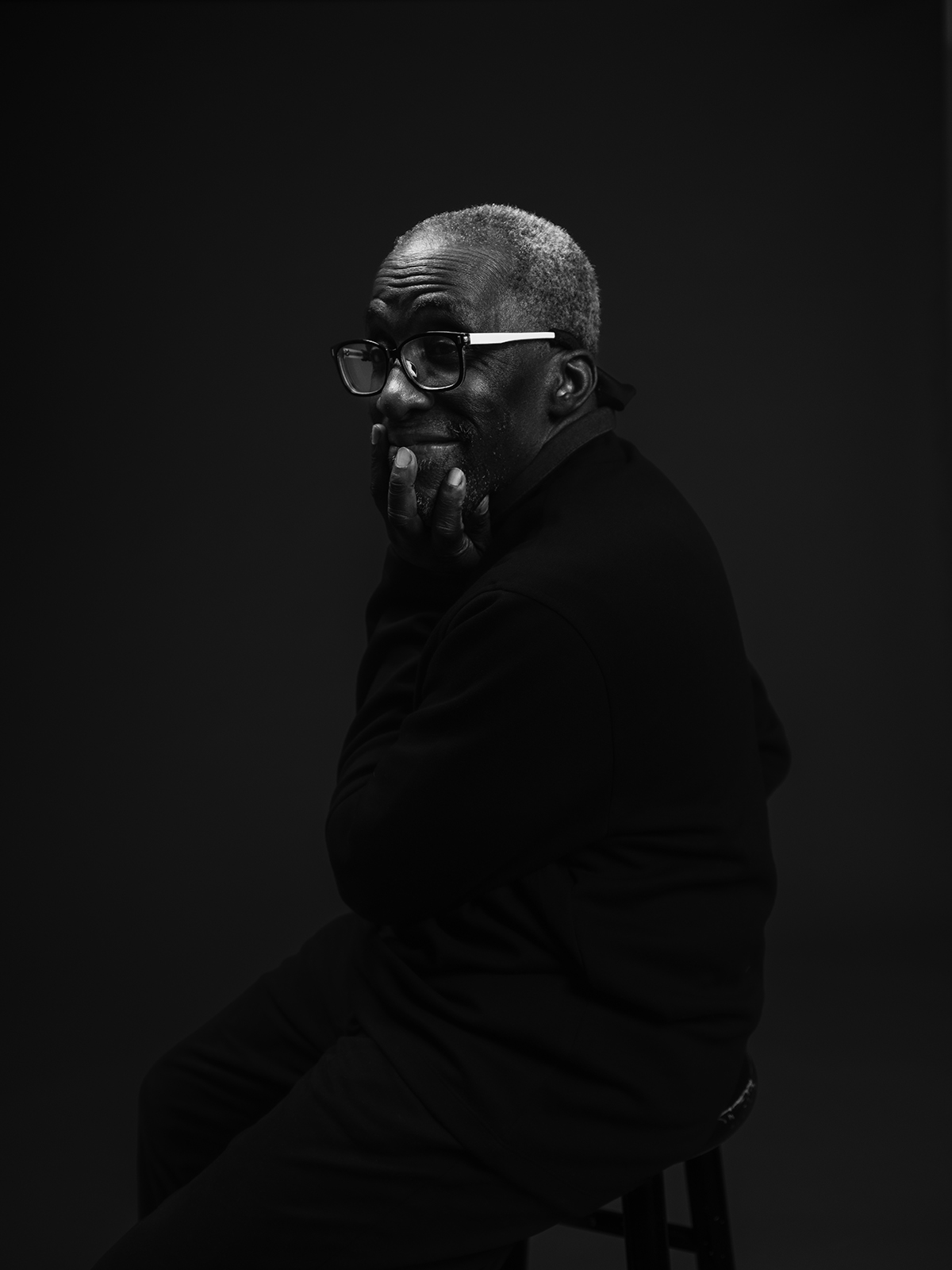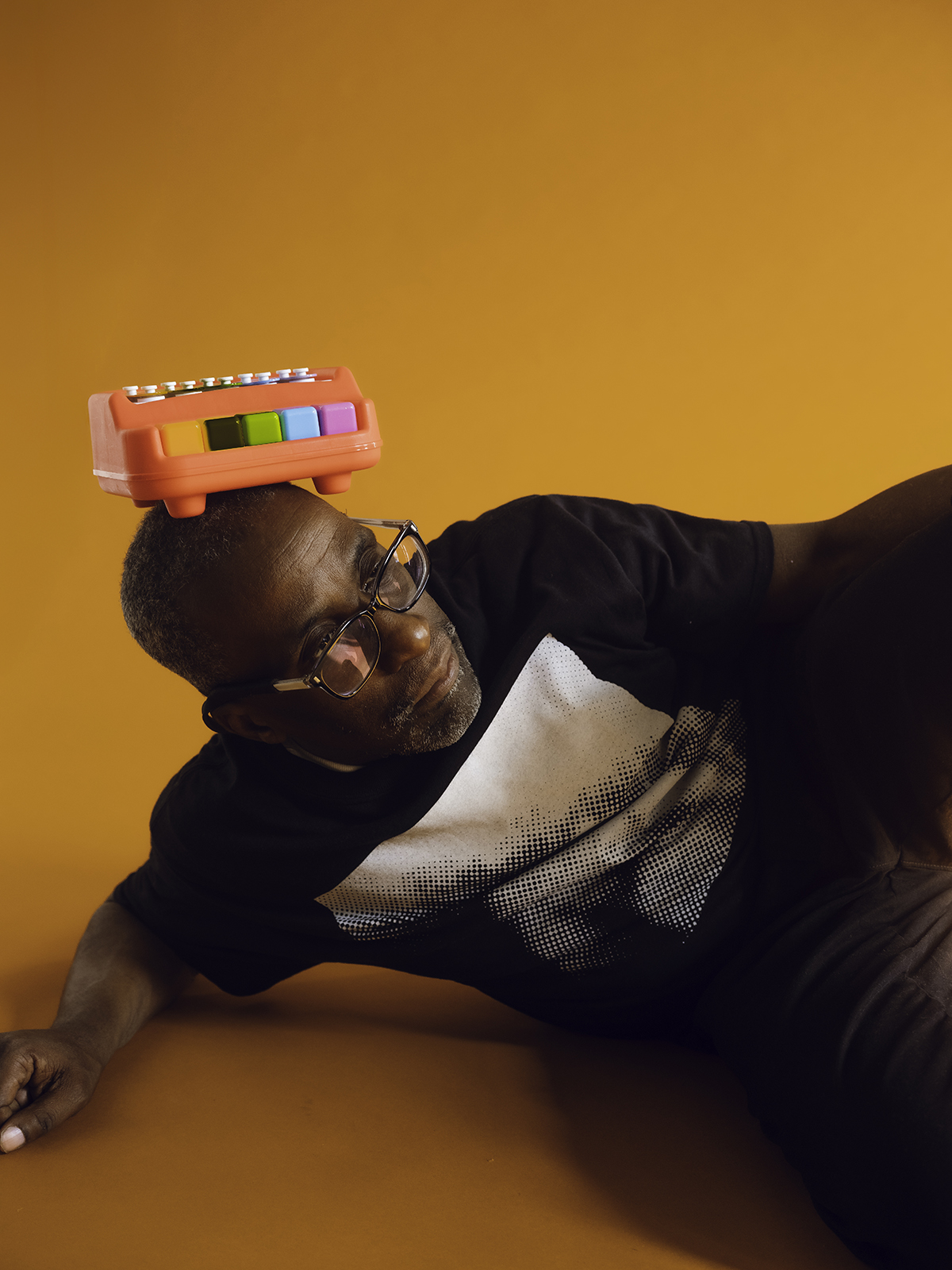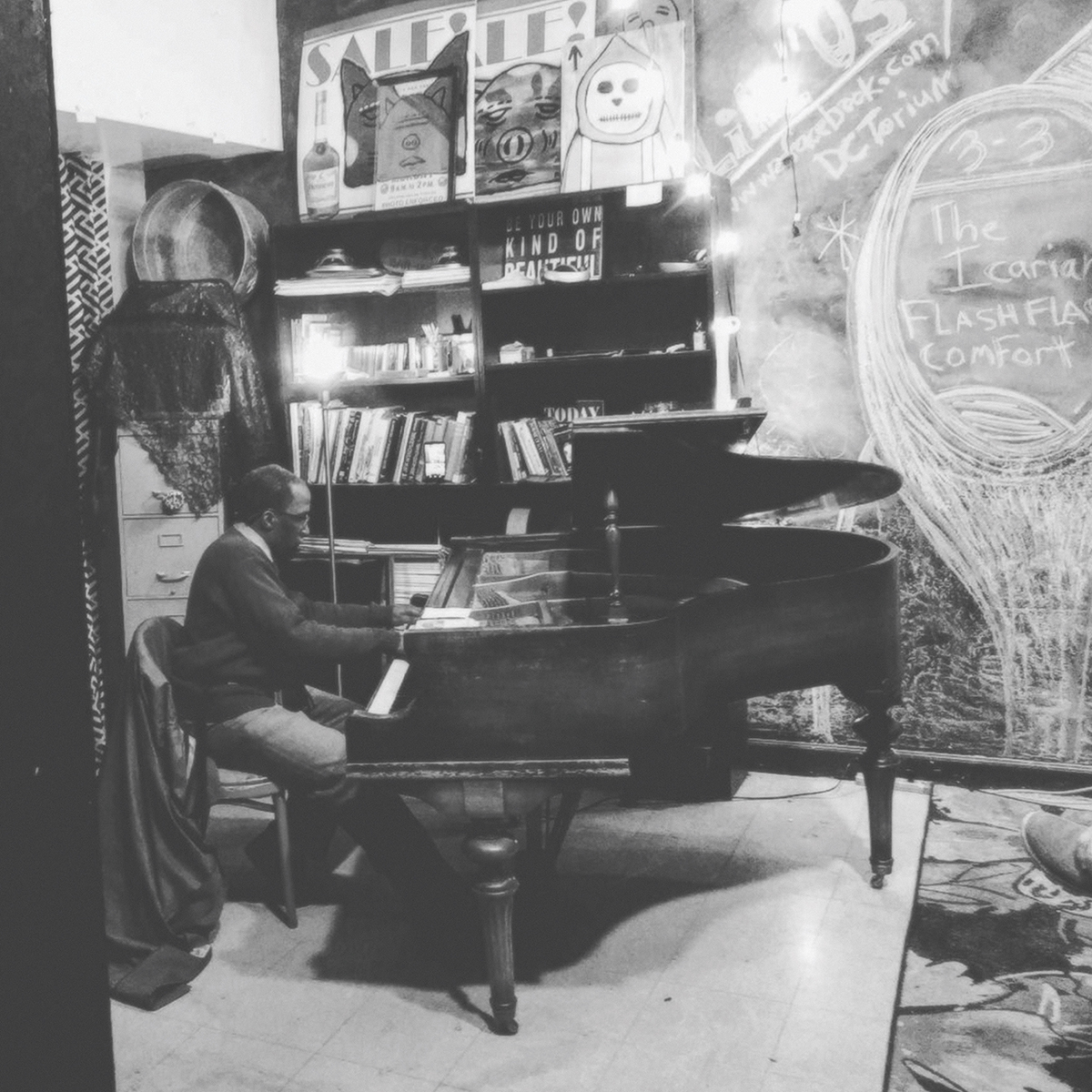
If you’ve been at a Chicago DIY show over the last thirty years, you may have seen a dancing Charles Joseph Smith. The Chicago Reader has praised his moves made with “deliberate focus and gymnastic energy,” invigorating music spaces with his learned footwork in a variety of styles. Those lucky enough to have been in a room with Charles might not know his multifaceted, incredible journey that includes not just three decades of scene participation, but also a prolific catalog of over 600 original compositions and arrangements. In addition to music ranging from labyrinthine piano pieces to adventurous electronic experimentation, Charles has authored three books chronicling his experiences with Chicago’s music scenes as an autistic Black man growing and performing within them.
Mute for several years as a child, eight-year-old Charles astounded (and terrified) his family by playing perfect classical piano, without ever previously playing a note. Charles has written about being first enchanted by music while deconstructing his older brother’s piano lessons, church hymns, and 1970s TV themes, but this spontaneous shared moment would transform his life. His musical gifts would (and still do) provide him with the means to overcome the immense lifelong challenges posed by Autism Spectrum Disorder (ASD). Charles would go on to earn three degrees in music including a Doctor of Musical Arts (DMA) from the University of Illinois at Urbana-Champaign. Parallel to these studies, Dr. Smith performed concert piano on stages in the USA, Italy, Germany, France, and Hungary.
While an undergraduate at Roosevelt University, Charles began to frequent the world of Chicago DIY in the spaces he could dance. This fascination with Chicago’s underground scenes catalyzed his mammoth discography. Now 55 years old, Charles has self-released well over sixty projects. Unless you’ve purchased one directly from him on a hand-dubbed cassette or burned CD-R, many of these works remain virtually unheard, even if he is somewhat of a local celebrity: a lifetime of work from one of Chicago’s most vibrant, heroic underdogs.
Both a city ubiquity and mystery, Charles has a vast body of musical and written work deserving of the archival treatment. In 2025 Sooper Records acquired 64 unique CD-Rs and tapes from Charles, in addition to his 3 self-published books and numerous volumes of prose, and set about compiling the definitive retrospective release. The project aims to re-introduce him to Chicago and beyond and marks his first widely available release with any label. The album is accompanied by 9000 words of liner notes including poetry, 30 archival photographs, quotes, interviews, and an in-depth essay on the life and work of Charles penned by label co-founder and fellow Chicago Southsider Glenn Curran.
The triple-CD / double vinyl set condenses countless hours of music into two parts. The first, Collected Works, showcases Charles’ talents as a crossover composer, with classical piano prowess, MIDI adventurism, electroacoustic experimentation, free improvisation, experimental opera, and unique sonic collages given equal chance to shine. The collection also features something incredibly elusive among his recordings: two of the only original songs with melodic vocals sung by Charles himself. Collected Works unites the stylistic spans of his work with these sparsely-repeated vocal moments to create a holistic, reverent portrait of an artist on the line between studied virtuosity and expansive outsider art.
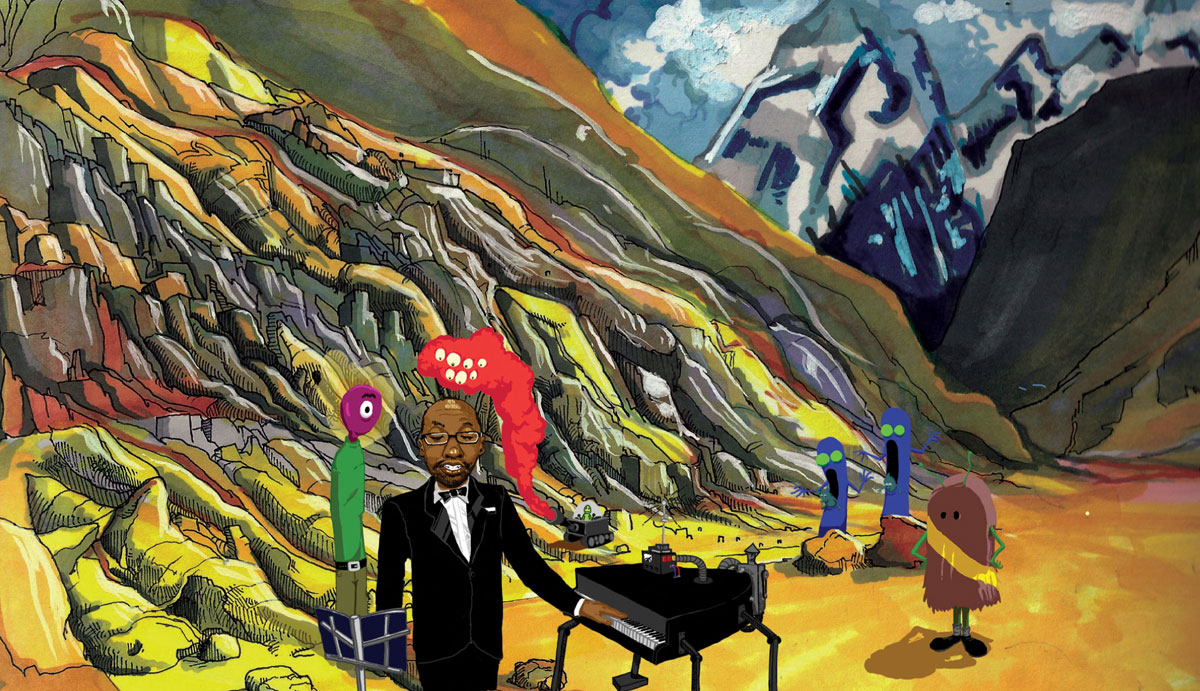
The second portion of the release, War of the Martian Ghosts, features two realizations of the same work: an evolving sci-fi opera heralding a conflict between forces on Mars and Planet Earth. The album features a remastered version of the 2018 piano realization originally issued by Sooper on cassette, and a 2023 MIDI realization which features electronic elements and story beats not present in the original.
Because Charles’ life with autism informs so much of his relationship with music, Sooper will be releasing the collection the day after Autism Awareness Day (April 3, 2026). To further commemorate Charles’ life and honor his incredible story, Sooper is also making his autobiography (The 88 Keys that Opened Doors: An Inspiring Memoir of an African-American Man Who Achieved the Impossible Even as He Faced the Challenges of Being on the Spectrum) widely available for the first time. Fans, past and present, will now know a story fueled by an incredible spirit. As Aaron Cohen wrote in DownBeat, “Charles Joseph Smith always has used music to challenge limitations. When this world offered him only scant possibilities, he went on to imagine a new one.”